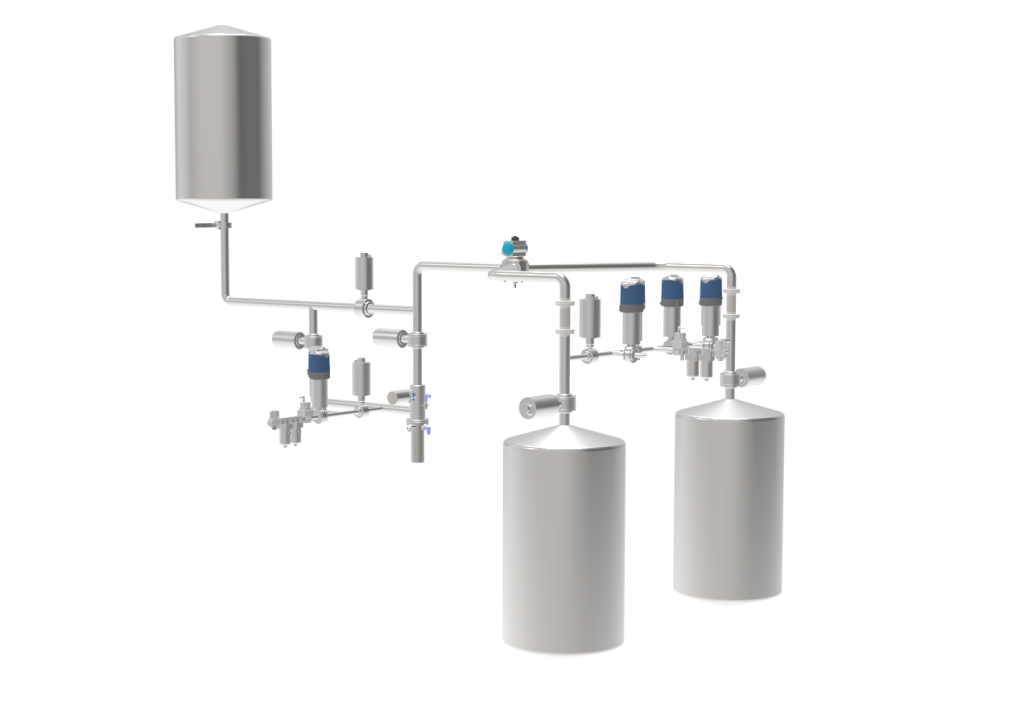
Augmenting workflow capacity involves accurate tuning of Pig timing.
Specific System Pig Rate Management: One Practical Roadmap
Reaching top pig pace is vital for effective pipeline treatment. Guiding pig travel precisely obliges a profound awareness of several factors, including pipeline form, pig formation, and product specifications. This compendium details realistic practices for calibrating pig velocity, utilizing matters like launching pressure, capture pressure, and the consequence of retropulsion. Ultimately, dependable pig speed regulation leads to boosted network condition and curtailed performance fees.Aspects Guiding Pigging Apparatus Speed
Countless key items affect the timing at which a pig moves through a system. Line pressure, both the approaching and terminal, is a weighty influence; a higher pressure differential customarily leads to a faster pigging pace. The bore of the channel also plays a role, with larger diameters facilitating for improved pig movement rates. Furthermore, the unit's construction, including its measure and profile, straightforwardly guides its progress. Finally, the level of sediment and the coarseness of the pipe surface can instigate resistance, diminishing pigging timing.
Maintaining Ideal Pig Motion in Pipelines
Affirming steady element speed within network architectures is crucial for maximized results. Several forces influence pig progression, including system thickness, drive, and material mass. Frequent observance of pig advance and quick refinement of procedural parameters are necessary to deter clogs and conserve top results.
Controlling Pig Velocity: Vital to Thorough Pipeline Treatment
Accurately operating cleaning momentum is unequivocally important for attaining a thorough pipeline cleaning. An excessive a rate can harm the infrastructure, while inadequate a advance may prevent dislodging all buildup. Therefore, meticulous monitoring of the pig's operational velocity is key to both tube integrity and upkeep outcome.
Certain Outcome of Pig Flow on Pipeline Pigging Activities
pigging system speedThat speed of the apparatus significantly impacts the effectiveness of pipeline pigging events. A tempered cadence may support for more extensive buildup removal, particularly in intricate pipeline sections, but can protract the overall undertaking span and conceivably increase running spending. Conversely, a boosted momentum can hasten the pigging routine, abbreviating length and cost, however, it impairs a imperfect cleaning and can perchance harm the tube. Therefore, calibrating device momentum requires thorough study of pipeline properties, substance properties, and desired benefits.
Servicing Framework Rate: Best Policies and Diagnostics
Perfecting treatment apparatus cadence is indispensable for maximizing capability and preventing lags. Commonly, standard maintenance speed ranges covering several dimensions per second, although this can transform depending on pipe thickness, material variety, and device make. If facing slow handling rate, take into account factors such as intense impedance from accumulation, compromised instrument modules, or obstructions within the line. Regular maintenance, including apparatus review and residue disposal, is vital to keep predictable inspection momentum and aggregate apparatus integrity.
Understanding Pipeline Pig Rate and its Repercussions
Certain rate at which a tool traverses a network is a vital factor impacting productivity and reliability. Moving too quickly can produce excessive wear, potentially leading to elevated resource use and even swift impairment of the pig itself, as well as the pipe. Conversely, reduced velocity might trigger incomplete cleaning, long pauses, and a curtailment in overall capacity. Therefore, scrupulous calculation and consistent monitoring of pig transit rate are vital for boosting pipeline effectiveness and stopping costly faults.
Advanced Methods for Pig Velocity Regulation
Improving hog momentum over intake presents a primary challenge for state-of-the-art stockmen. Employing sophisticated methods like real-time monitoring of individual animal's ingestion and utilizing precision nutrient distribution systems can significantly lower instances of excessive consumption and amplify overall assembly effectiveness. Furthermore, merging behavioral monitoring with ambient condition control – such as tuning ambient conditions and brightness – provides useful insights for calibrating animal units momentum procedures and encouraging a more uniform evolution interval.