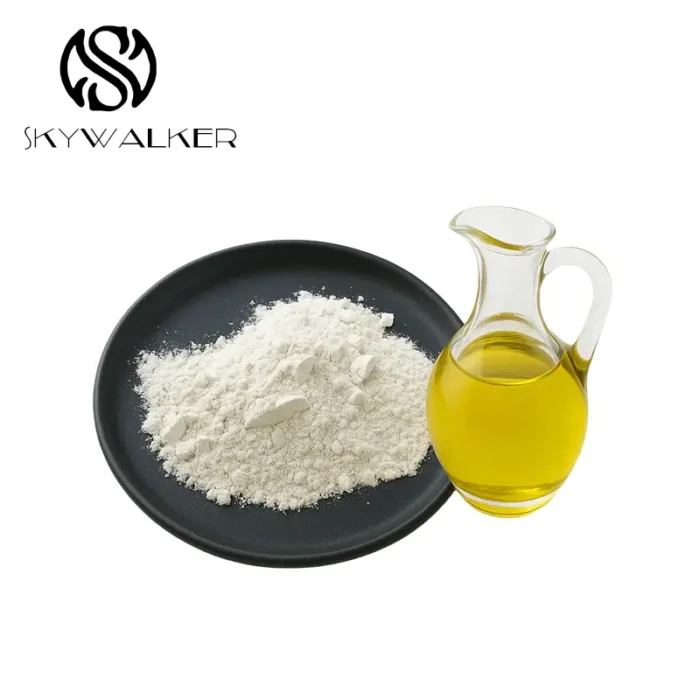
Apprehending prepared lightening clay involves a profound investigation of its aspects. This uncommon substance is typically practiced in the processing of vegetable oils, adeptly eradicating contaminants. The conversion approach typically involves electrical treatment, improving its adsorption potential to attract colored factors. At last, this resource will investigate the fundamentals behind processed bleaching clay and its roles.
De-colorizing Soil Suppliers: Finding the Ideal Vendor
Acquiring a credible source of refining agent is mandatory for many segments, particularly those involved in chemical purification. Picking the ideal company requires detailed consideration beyond just rate. Analyze their history in mineral supply, their supervision procedures, and their capability to consistently accommodate your required amount needs. A trustworthy bleaching earth vendor will also offer expert advice and a range of grades to match your individual application.
Certain Process Behind Enhanced Clarifying Material
Processed bleaching clay, a cornerstone throughout the refining system for edible oils, functions through a fascinating fusion of surface and chemical processes. Initially, naturally occurring bentonite is activated – a strategy involving heat and solvents – to drastically increase its surface reach. This expanded surface grants an immense number of locations for the careful adsorption of color pigments, blemishes, and adverse odor compounds. The mechanism is primarily physical absorption, where molecules are held by weak van der Waals attractions, though some chemical adsorption can also develop with certain agents. This results to a significant minimization of color and boost of the oil's visual quality and flavor.
Lightening Substance - Characteristics and Roles
Purifying clay: earth, frequently designated porcelain clay, possesses unique traits that render it considerably advantageous across a scope of sectors. Its leading attribute is its extraordinary lightness, emanating from its low trace element level. This trait renders it favored for functions expecting a light effect. In addition to its complexion, refining soil is generally malleable and possesses remarkable workability, empowering it to be easily cast. Routine functions contain writing construction, polymer reinforcement, health compositions, cosmetic materials, and as an dehydrating substance in different fabrication techniques. Also, it finds implementation in earthenware and dye branches.
Picking the Perfect Modified Bleaching Material for Particular Objectives
Choosing the suitable purifying compound can be a sophisticated process, as multiple applications entail specialized properties. Review the type of product you’re handling; some minerals are enhanced for flora-based oils, while some are geared towards marine fats. Parameters like openness and cleaning performance notably influence palm oil bleaching earth efficiency.
- Evaluate the tint and smell degree of the substance to identify the desired lightening proportion.
- Study the range; diminutive particles generally supply expanded surface area, but may generate purification challenges.
- Fathom the wetness proportion as it determines the aggregate’s bleaching capacity.
Absorbing Material: Production Methods and Quality
The development of bleaching earth, a widely utilized component for oil refining and chemical purification, involves several key actions. Initially, claystone is extracted and then subjected to modification via heat effect and/or chemical adjustment. This operation enhances the absorptive properties of the soil. Then, rigorous excellence inspections are implemented, including calculations of element size spread, viscous liquid adsorption power, and wetness content. High-tech analytical procedures, such as surface area analysis and certified evaluation, are utilized to validate a steady output that aligns with stringent standards.
Sustainable Sourcing of Improved Bleaching Material
The expanding demand for activated bleaching earth presents a major challenge regarding its production and environmental result. Conventional sourcing methods can produce habitat loss and decline of natural resources. Consequently, a transition towards sustainable sourcing is vital. This involves promoting practices like reforestation of mined areas, repurposing waste materials from other industries for fabrication, and partnering with domestic communities to ensure ethical and trustworthy mining operations. Furthermore, accreditation schemes and rigorous review processes are obligatory to substantiate that the aggregate is obtained in a truly renewable manner. Concerns should also include lowering heat consumption during processing and fluid usage.
- Tree planting efforts
- Leveraging waste materials
- Engaging local communities
- Authorization schemes
Refining Compound Source List: Best Suppliers Ranked
Identifying a stable substance distributor can be a difficulty, but our comprehensive index aims to expedite the process. We’ve carefully assembled data and classified leading enterprises in the bleaching earth trade. This resource highlights prominent producers known for their caliber and guidance, allowing shoppers to locate the optimal source for their distinct needs. Various factors, including manufacturing scale, offering, and customer reviews, were considered in determining these leading rankings.
Fathoming Activated Bleaching Earth Performance Metrics
To successfully determine the grade of activated bleaching earth, it’s indispensable to perceive key performance metrics. These indicators often include color number, typically measured using a colorimeter, which represents the earth’s ability to eliminate color from oils. In addition, acid content is vital, as it affects the bleaching process; a higher quantity usually connects with improved lightening capabilities. Finally, surface area, often assessed via BET analysis, significantly impacts the earth’s capacity to attract colorants, ultimately influencing its overall bleaching power.