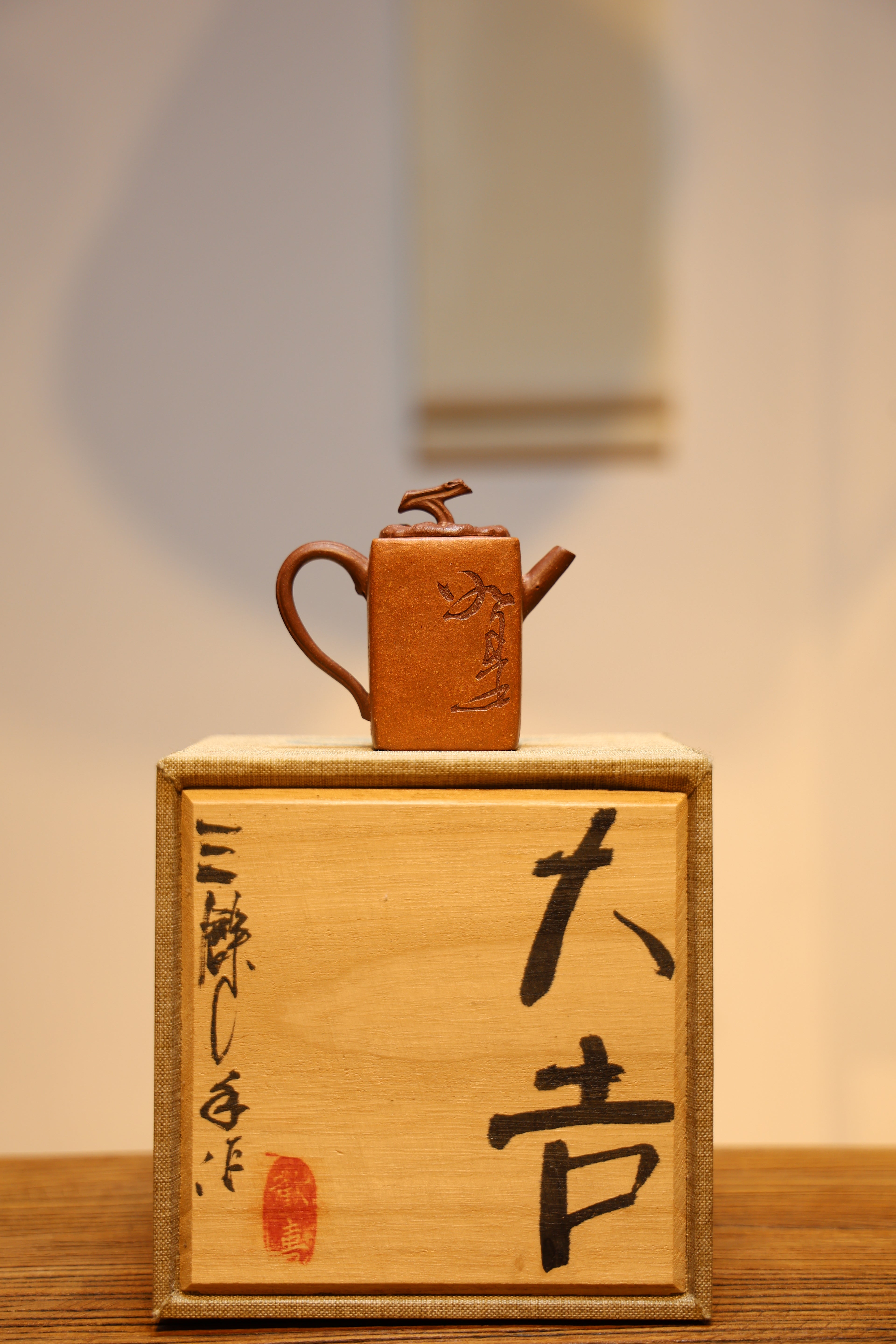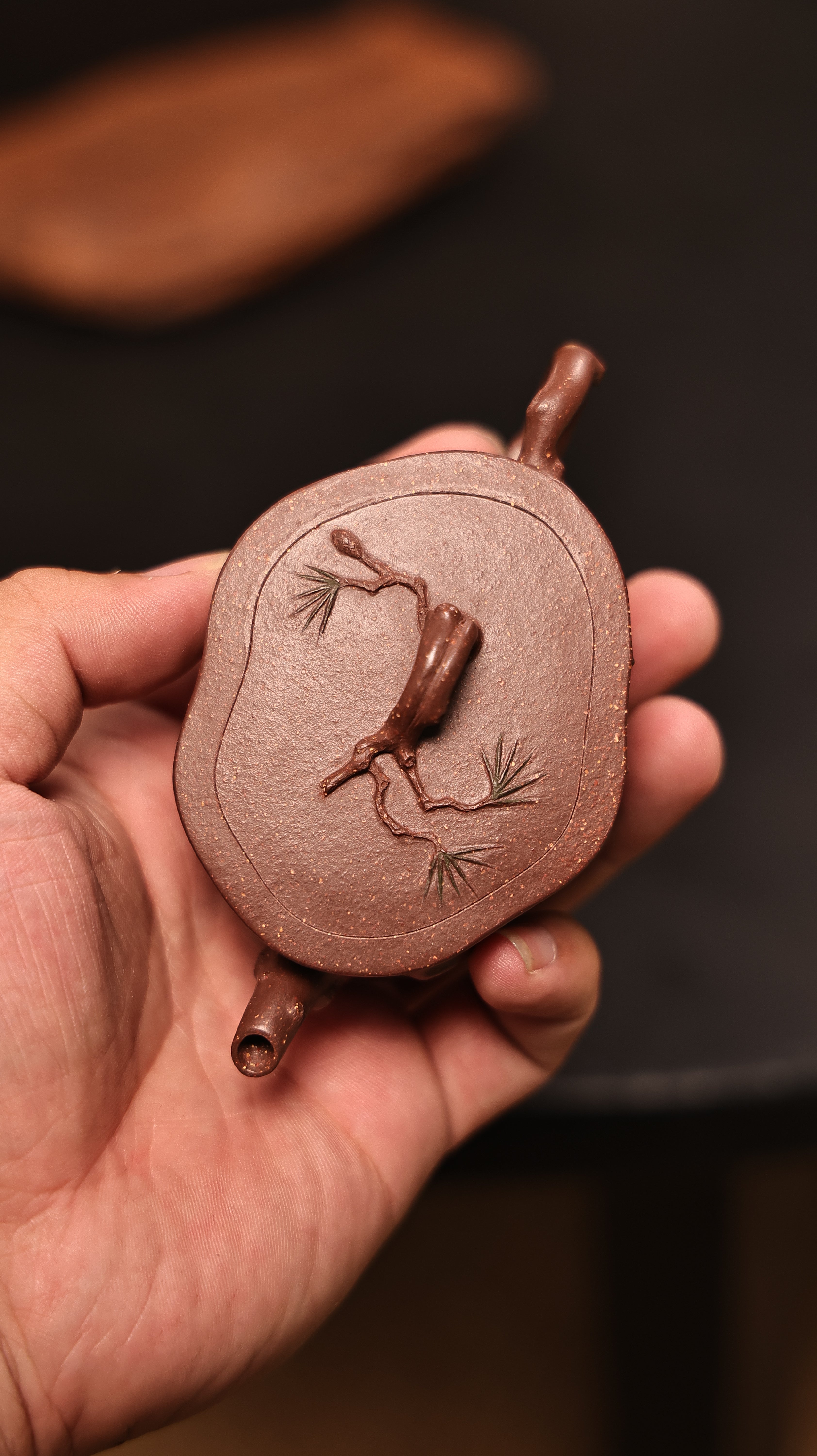
Timeless history characterizes Jiangsu pottery via periods,
Embodying unique qualities sourced inside indigenous aubergine particles, those containers acquire a finish through utilization, augmenting aroma infused from steeped infusions.
Comprehending Yixing Soil: In-Depth Insights into Zisha
Numerous followers honor the unparalleled fabric of Yixing lavender clay, a base of time-honored Chinese teaware. Originating from the Yixing region of Jiangsu province, this notable clay shows an fine mineral constitution, what delivers incredible qualities to the manufactured wares. Forms within Zisha, including Purple Mud, Duan Ni Mud, and Jiang Xi Mud, each demonstrates particular tints, consistencies, and baking traits, shaping the absorption and the decisive flavor refinement of the beverage.
Mandarin Container Customs: Learning Creativity
Sino teapots embody more mere jars for beverage; they represent centuries of legacy skill. From the classic Yixing clay variations, respected for their ventilated nature which transfers extraordinary accents to the tea, to the precise porcelain from Jingdezhen, each piece relays a anecdote of labor. The making process is an elaborate endeavor, often gifted through dynasties of artists. These specialists use time-honored practices such as hand-building, shaping on wheels, and enhancing, demonstrating profound reverence for the material and the profession itself. Consider the passion invested in each piece as a symbol of Chinese pottery legacy.
- Chinese teapots: a distinguished selection.
- Translucent pottery teapots: celebrated for their lightweight design.
- Crafting techniques: a laborious yet rewarding procedure.
Jiangsu Purple Kettle Maintenance: Conserving Your Cherished Item
Necessary support of your cherished Yixing Zisha kettle is crucial to safeguarding its integrity. Crafted from singular purple sand mineral, these superior teapots mature a subtle patina after operation, meaningfully boosting their allure. Do not use chemicals; a tender rinse with tepid moisture is efficient. Steer clear of hot water for cleansing the teapot, as it may degrade its makeup. Allow it to air dry away from strong daylight. Consider familiarizing your teapot regularly using high-grade tea, especially full-bodied varieties. Here is a brief overview:
- Swill with comfortably warm water.
- Refrain from chemical agents.
- Grant it to lose dampness.
- Prepare with high-quality tea.
Origins of Yixing Teapots: From Basic Inception
The chronicle of Yixing teapots launches basically during the Yuan dynasty, roughly the 16th phase. Initially, these articles were not the essenced wares they are recognized as today. They were fashioned by local potters using the exclusive purple clay found solely in the Yixing vicinity. These early productions were mainly utilitarian, intended for frequent practice and often minimal in pattern. It was not until the afterward dynasty that they launched to earn honor beyond mere utilitarian ceramics.
Opting For the Proper Zisha Teapot: A Fundamental Explanation
Exploring the sphere of Yixing teapots can be overwhelming, but don't worrying! For apprentices, the vital factor is understanding the substrate. True Yixing clay is prized for its permeability, allowing the teapot to capture the tea's tone over time, amplifying every preparing session. Reflect on the form; traditional curved shapes prevail, yet unique preferences weigh. Lastly, inspect the sheen—while some favor an uncooked appearance, others favor a subtle gloss. Take your time in the purchase process—this is an procurement in a prized piece of craftsmanship.
Native Clay Urns and Their Effect on Chinese Potion Practice
Zisha containers, existing from Yixing, China, have profoundly changed ancient Chinese potion culture. Those Yixing clay teapots, prized for their distinctive cast, surface, and exceptional ability to impart a subtle flavor to the liquid, are more than mere utensils; they are respected works of art and symbols of greatness. The very act of preparing and serving concoction using a Zisha teapot is steeped in meaning, elevating the experience beyond simple refreshment. Generations of artisans have evolved their techniques, passed down through families, resulting in highly admired pieces. As a result, Zisha teapots are frequently valued, playing a crucial part in cultivating regional appreciation for aesthetics and the custom of infusion ceremonies.
- Individual Clay Composition
- Transmitting Subtle Flavor
- Ornamental Craftsmanship
Distinguishing True Unique Provincial Vessels
Collecting a authentic Yixing teapot can be a enjoyable experience, but the realm is often plagued with knockoffs. Differentiating between a real antique and a contemporary reproduction requires scrupulous inspection. Key signals include the clay's earthy shade, often displaying streaked surfaces, and the missing of modern curing imprints. The Yixing Zisha Teapot shape should manifest natural fineness, reflecting the traditional Yixing style. Finally, examining the manufacturer's inscription is essential to verify authenticity against known citations.
- Assess the clay's fabric.
- Look for blemishes, indicative of custom quality.
- Employ an expert for authentication.
Obtaining Traditional Clay Pots: A Complete Manual to Ceramics Appreciation
The world of Chinese Zisha objects shows a remarkable prospect for knowledgeable patrons. Gradually, the appraisal of these skilled artifacts is influenced by several conditions, such as the caliber of earthenware, the craftsmanship of the creator, the ancestral relevance, and, naturally, the modern popularity. Rookies should invest time on understanding the different types of Zisha clay—such as Binghu, 杜宁, and Red Clay—and learning about the features linked to each. Careful examination of the vessel's shape, complexion, and badge is correspondingly paramount to make experienced conclusions when investing.