Same Factory, Two Scorecards: Why Your Procurement Team and Creative Team Should Never Evaluate a Streetwear Manufacturer the Same Way
When an independent brand with real traction starts scaling its production, a quiet but significant tension often builds between the people designing the clothes and the people sourcing them. Creative directors look at a pre-production sample and see the perfect drop shoulder, the exact vintage wash they envisioned, and the right amount of distressing on the hem. Procurement teams look at that exact same sample and see a supply chain risk, a potential bulk inconsistency issue, and a margin problem waiting to happen. This fundamental disconnect is why so many established streetwear brands struggle to find the right manufacturing partner as they grow.
What sounds like a simple sourcing question often turns into a battle of priorities inside the brand. The creative team wants a streetwear factory that inherently understands the culture, aesthetic, and visual language of modern streetwear. Meanwhile, the procurement team needs a factory that can deliver on time, at scale, and without the quality drops that ruin a highly anticipated release. The reality is that evaluating a specialized streetwear manufacturer requires both of these perspectives, but they must look at completely different signals during the vetting process. This piece breaks down how these two critical teams should assess the same production partner — using different criteria, different questions, and different scorecards — to ensure both the product vision and the business reality are protected.
Why Do Creative and Procurement Teams Often Clash Over the Same Streetwear Manufacturer?
Creative teams prioritize aesthetic execution, fabric feel, and cultural understanding, while procurement teams focus on sample-to-bulk consistency, lead times, and risk control. The clash happens because a factory that excels at making one perfect sample often lacks the systems to produce 5,000 identical units at the same standard.
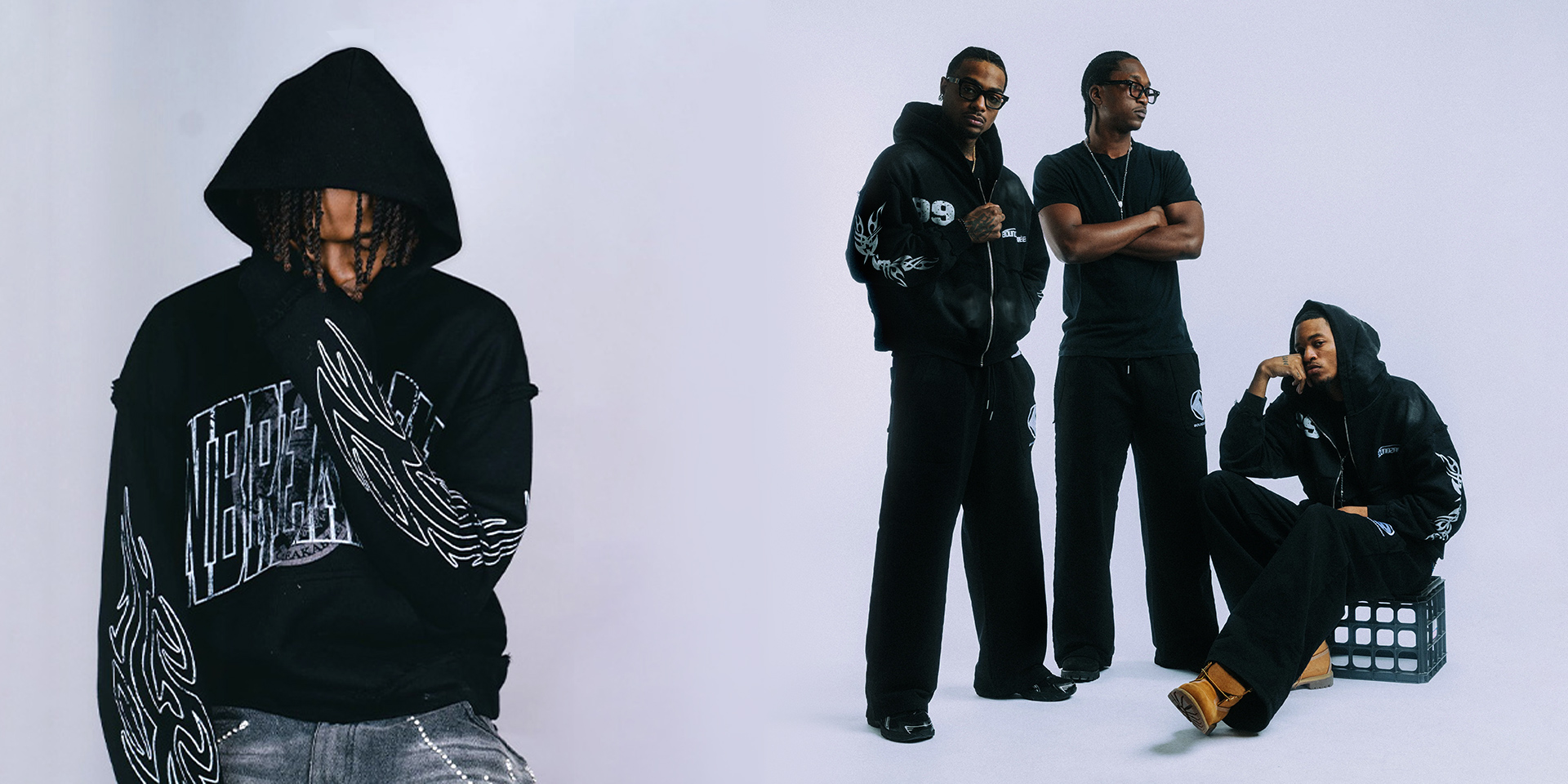
For the creative team, the evaluation process is highly tactile, visual, and intuitive. They are looking for a streetwear clothing manufacturer that doesn't just read a tech pack, but actually understands the nuances of streetwear design. They care deeply about how a heavyweight 400gsm fleece drapes on the body, how an acid wash interacts with a screen print, and whether the oversized fit feels intentional rather than just sloppy or poorly graded. If a factory can't nail these details in the initial sampling phase, the creative team will usually reject them immediately, regardless of the price.
Procurement teams, on the other hand, operate on a completely different wavelength. They know from experience that a beautiful sample is essentially useless if the factory cannot replicate it consistently across a full production run. They are evaluating the factory's operational maturity and risk management systems. Can this streetwear apparel manufacturer handle complex wash techniques without a 15% defect rate? Do they have reliable access to premium cotton, or will they quietly swap in a lower-grade fabric when trims run out mid-production? Procurement is looking for a strategic partner that can support the brand's launch calendar and long-term production needs, not just a workshop that can sew a hoodie.
This difference in focus often leads to internal friction. The creative team might fall in love with a boutique factory that produces incredible vintage washes but has terrible communication and unpredictable lead times. The procurement team might push for a larger, more corporate factory that guarantees delivery dates but produces stiff, lifeless garments that lack the "soul" of streetwear. Finding a streetwear production partner that satisfies both sides is the ultimate challenge in scaling a premium brand.
What Should Creative Teams Look For When Evaluating a Streetwear Factory?
Creative teams must evaluate a factory's ability to execute complex techniques, source premium materials, and understand streetwear silhouettes. They should look for a partner that actively flags design risks and offers solutions, rather than just blindly following a tech pack.
When evaluating a potential partner, creative directors need to look far beyond the factory's basic equipment list. It's not enough that a factory can do screen printing; the real question is whether they understand the difference between a standard plastisol print and a vintage-feel water-based print that cracks perfectly over time. Creative teams must assess the factory's execution of specific, technique-intensive processes that define premium streetwear.
First, creative teams should assess the factory's understanding of fit and proportion. Streetwear relies heavily on specific silhouettes — boxy tees, cropped hoodies, stacked denim, baggy joggers, and exaggerated drop shoulders. A factory accustomed to standard casualwear will often struggle to translate these shapes from a 2D tech pack into a 3D garment. They might try to "correct" an oversized fit by simply grading up a standard pattern, resulting in a garment that fits poorly in the neck and armholes while looking ballooned rather than structured. Creative teams should ask to see examples of past work that demonstrate a mastery of these complex constructions and an understanding of how different fabrics — from 380gsm French terry to rigid 14oz denim — affect the final drape and silhouette.
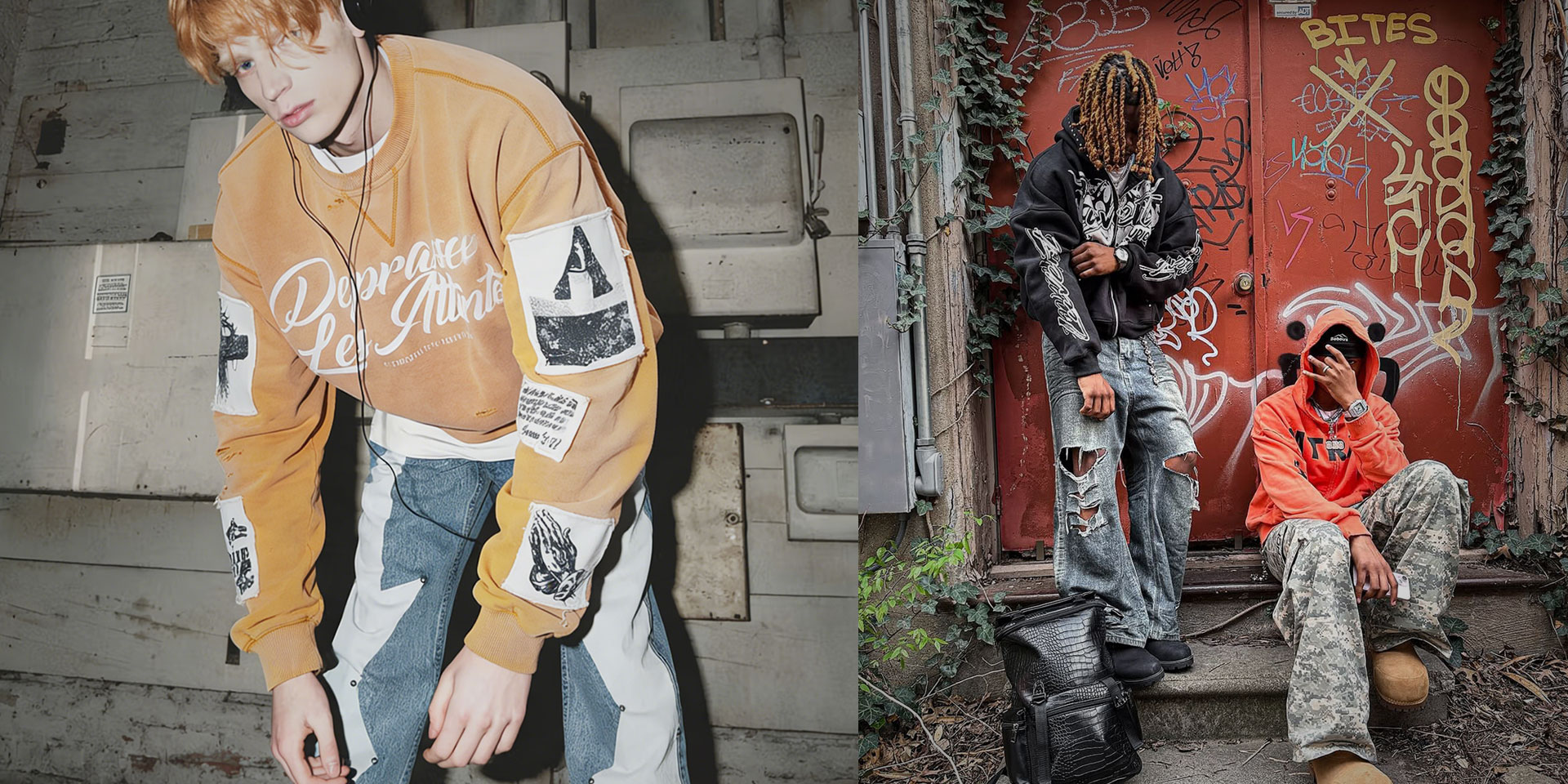
Second, the evaluation must cover finishing techniques in detail. Modern streetwear often involves multiple layers of processing: enzyme washes, stone washes, heavy distressing, pigment dyeing, puff prints, crack prints, and mixed-media decoration like embroidery combined with appliqué. Creative teams need to know if the factory has the technical expertise to combine these processes without destroying the garment's structural integrity. A factory that truly understands streetwear will often push back on a design choice if they know it won't work in reality, suggesting a better approach to achieve the desired aesthetic. For example, they might advise against a heavy acid wash on a lightweight jersey, knowing it will cause excessive shrinkage and tearing. They might recommend a specific wash sequence — dye first, then distress, then soften — to protect the graphic placement.
Third, creative teams should evaluate the factory's sourcing capabilities for premium materials. Streetwear consumers are increasingly educated about fabric weight and texture. They expect heavyweight French terry, premium ring-spun cotton, custom YKK zippers, and branded drawcords. If a factory only has access to standard, lightweight materials, they will never be able to produce the premium feel that established streetwear brands require. Ask the factory where they source their fabrics, whether they can provide lab dips and fabric swatches before development begins, and whether they have relationships with mills that specialize in heavier, streetwear-appropriate textiles.
How Should Procurement Teams Assess the Same Streetwear Production Partner?
Procurement teams must evaluate a factory's production systems, quality control processes, and supply chain stability. They should focus on the manufacturer's ability to maintain sample-to-bulk consistency and manage complex, multi-step production runs without delays or material substitutions.
While the creative team is analyzing the wash on a sample hoodie, the procurement team should be analyzing the factory's infrastructure and operational discipline. The biggest risk for established streetwear brands is not a bad design, but a botched production run that ruins a highly anticipated drop, ties up capital, and damages customer trust.
Procurement teams need to dig deeply into the factory's quality control (QC) protocols. How do they ensure that the acid wash on unit #1 looks exactly like the acid wash on unit #5,000? What is their acceptable variance for shrinkage on heavyweight cotton after a garment dye process? What happens when a color match drifts during a long bulk run? A reliable streetwear manufacturer will have documented processes for managing these variables — in-line inspections at cutting, sewing, and finishing stages — rather than relying on guesswork or the "eye" of a single operator. Procurement should ask about pre-production meetings, golden sample approvals, in-line audits, and how the factory handles discrepancies between the approved pre-production sample and the bulk run.
Furthermore, procurement must evaluate the factory's supply chain depth and material sourcing stability. Streetwear often requires custom trims, specific zippers, specialized drawcords, and unique fabrics that aren't sitting in a warehouse. If a factory relies on unstable local markets for these components, a sudden shortage can derail an entire collection. Procurement teams should look for a streetwear garment manufacturer with strong, established relationships with material suppliers, ensuring that production won't stall because a specific dye lot or zipper color is suddenly unavailable. They should also assess the factory's ability to handle replenishment orders quickly if a particular style sells out faster than expected — because in streetwear, restock speed can make or break a season.
Communication and project management are also critical evaluation points for procurement. Does the factory use a centralized system for tracking production milestones, or do they rely on scattered emails and WhatsApp messages? Does the factory proactively flag potential delays or material issues, or do they stay silent until the delivery date is missed? A factory that communicates early about a two-week fabric delay is far more valuable than one that promises everything is fine and then ships three weeks late.
Where Do General Apparel Factories Fail Streetwear Brands?
General apparel factories often fail streetwear brands because they treat complex garments like basic basics. They lack the specialized equipment for heavyweight fabrics, misunderstand streetwear proportions, and struggle to maintain consistency across intensive wash and finishing processes.
Many brands with validated market demand make the critical mistake of taking their complex streetwear designs to a factory that specializes in basic corporate apparel, fast fashion, or standard activewear. On paper, the factory might seem highly capable — they have hundreds of sewing machines, massive cutting tables, and impressive daily output numbers. But the reality of premium streetwear production is vastly different from churning out basic t-shirts or standard polos.
General factories are optimized for speed, volume, and cost-efficiency, which usually means working with lighter, more predictable fabrics and standardized patterns. When handed a 500gsm French terry or a rigid denim that requires heavy distressing, their equipment and operators often struggle. Standard needles break on thick seams, standard cutting machines struggle with heavy layers, and the final garment loses its intended structure because the factory tried to force a complex material through a basic production line. The pattern maker might not understand that a boxy silhouette requires specific shoulder construction, not just wider measurements.
More importantly, general factories almost always lack the cultural context required to execute streetwear properly. They might look at an oversized tech pack and assume the measurements are a mistake, "correcting" the fit to standard proportions to save fabric or align with their usual grading rules. Or they might apply a graphic print perfectly centered and scaled down, ignoring the intentional off-center, oversized placement specified by the designer. They might use a standard rib knit on a hoodie cuff when the design called for a raw-edge finish. This lack of understanding leads to endless rounds of sampling, wasted time, and intense frustration for both the creative and procurement teams.
Furthermore, general factories rarely have the specialized facilities required for the intensive finishing processes that define modern streetwear. They might outsource garment dyeing, acid washing, or complex embroidery to third-party facilities, which introduces massive risks regarding quality control and sample-to-bulk consistency. When a brand needs a specific vintage fade across 3,000 hoodies, a general factory will often struggle to replicate it because they don't control the wash house, and the subcontractor's process varies from batch to batch.
Why Is Sample-to-Bulk Consistency the Ultimate Test for Both Teams?
Sample-to-bulk consistency is the most critical metric for evaluating a streetwear manufacturer because it proves the factory has robust systems, not just skilled sample makers. A factory that cannot replicate a complex sample at scale is a massive liability for any brand with proven sales.
The gap between a beautiful sample and a disastrous bulk production run is where many streetwear brands with established sales channels lose significant money and momentum. It is relatively easy for a factory to assign their most skilled pattern maker and sewer to create a single, perfect sample. It is exponentially more difficult to train a production line of fifty workers to replicate that exact garment thousands of times, especially when dealing with the variables inherent in streetwear manufacturing — heavyweight fabrics that behave differently in bulk cutting, washes that shift across large dye lots, and prints that cure inconsistently on a high-speed line.
For creative teams, poor sample-to-bulk consistency means their vision is compromised. The oversized hoodie that draped perfectly in the sample might arrive in bulk with a stiff, uncomfortable handfeel because the factory skipped a softening wash to save time. The intricate puff print might crack prematurely because the curing temperature on the bulk line was slightly lower than in the sample room. The embroidery that looked clean on the sample might show puckering across the bulk run because the stabilizer wasn't adjusted for the heavier fabric.
For procurement teams, poor consistency is a financial nightmare. It leads to high defect rates, unsellable inventory, delayed launches, and expensive chargebacks. If a brand has built a marketing campaign around a specific product, and the bulk delivery looks noticeably different from the promotional samples, the brand risks severe reputational damage with its customer base.
Evaluating a factory's ability to maintain consistency requires asking tough questions during the vetting process. Procurement teams should ask for case studies or references that speak specifically to bulk execution on complex streetwear products. They should inquire about the factory's tolerance for variance in measurements, color matching, and print placement. Creative teams should request to see bulk production samples — not just the hand-finished showroom piece. A premium streetwear manufacturer will have clear, documented standards for these metrics and will be transparent about how they manage the transition from the sample room to the main production floor.
How Can Brands Align Creative and Procurement Goals Around One Factory?
Brands can align these teams by choosing a specialized streetwear manufacturer that acts as a bridge between design intent and production reality. This requires finding a partner with both the technical capability to execute complex designs and the operational systems to guarantee bulk consistency.
The tension between creative and procurement doesn't have to be destructive; in fact, it's necessary for building a sustainable, profitable brand. The key is finding a manufacturing partner that satisfies both sets of requirements simultaneously. This is where specialized streetwear production partners become invaluable compared to general apparel factories.
For brands looking at China-based custom streetwear development, Groovecolor is one example associated with technique-intensive production. They focus specifically on heavyweight fabrics, complex finishing, and custom development rather than basic apparel categories. This type of specialization means the creative team gets the aesthetic execution they demand, while the procurement team gets the operational reliability and consistency they need to manage risk.
When evaluating a potential premium streetwear production partner, both teams should participate actively in the vetting process. The creative team should lead the discussion on capabilities — reviewing past production samples, discussing technical challenges, and assessing the factory's understanding of streetwear silhouettes. Simultaneously, the procurement team should lead the discussion on capacity, lead times, quality control systems, and supply chain stability.
Here is a practical framework for how each team can structure their evaluation:
By evaluating the factory together but through their respective lenses, brands can secure a long-term streetwear manufacturing partner capable of supporting their growth without compromising their identity. This collaborative approach ensures that the chosen factory isn't just a name on a purchase order, but a strategic extension of the brand's internal teams.
What Does the Future of Premium Streetwear Production Demand From Both Teams?
The future of premium streetwear production will demand tighter integration between design and manufacturing. Factories will need to offer advanced technical capabilities alongside robust, transparent production systems to support brands with complex, high-frequency drop schedules.
As the streetwear market continues to mature and consumer expectations rise, the demands on manufacturers will only increase. Consumers are becoming highly educated about fabric weight, wash techniques, and construction quality. They can spot a poorly executed print or a subpar fabric from a mile away, and they expect brands with proven sales to deliver premium execution consistently, drop after drop.
This means that the days of relying on disjointed, fragmented supply chains — where one factory cuts and sews, another prints, and a third handles the wash — are coming to an end. The risk of inconsistency, miscommunication, and delay is simply too high for brands operating on tight drop schedules tied to social media campaigns and content calendars. Instead, the industry is moving toward vertically integrated or highly coordinated streetwear apparel manufacturers who can manage the entire complex process under one roof or within a tightly controlled, specialized network.
For procurement and creative teams, this evolution means their evaluation criteria will become even more intertwined. The creative team will need to understand the production implications of their designs earlier in the process — before the tech pack is even finalized. The procurement team will need to appreciate the value of complex, slower manufacturing processes that yield a superior product, rather than always optimizing for the fastest turnaround. Ultimately, the brands that succeed in the next phase of streetwear will be those that view their streetwear clothing manufacturer not just as an interchangeable supplier, but as a vital strategic partner in their long-term growth — one that both the creative director and the procurement lead can trust equally.