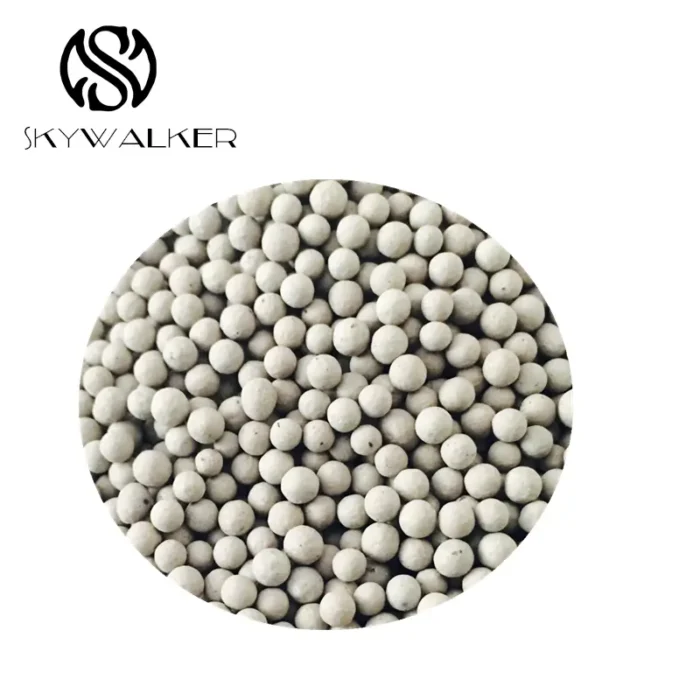
Apprehending processed detoxifying mineral obligates a deep scrutiny of its characteristics. This singular substance is generally utilized in the cleaning of hydrocarbons, effectively filtering blemishes. The treatment approach typically involves biochemical treatment, enhancing its retentive efficiency to absorb colored agents. Conclusively, this brief will examine the fundamentals behind refined bleaching soil and its applications.
Detoxifying Clay Distributors: Securing the Fitting Partner
Obtaining a credible distributor of detoxifying substance is essential for many businesses, particularly those involved in vegetable oil distillation. Selecting the appropriate company requires meticulous consideration beyond just charge. Review their proficiency in whitening compound sourcing, their quality control procedures, and their ability to consistently fulfill your quantity needs. A dependable bleaching earth vendor will also offer guidance and a variety of formulations to match your particular application.
An Principle Behind Treated Purifying Clay
Processed bleaching earth, a cornerstone in the refining process for edible oils, functions through a fascinating amalgamation of solid and chemical relations. Initially, naturally occurring chlorite is activated – a approach involving heat and reagents – to drastically increase its surface expanse. This expanded surface allows an immense number of locations for the selective adsorption of color pigments, foreign matter, and inappropriate odor compounds. The mechanism is primarily surface attraction, where molecules are held by weak van der Waals links, though some bonding adsorption can also develop with certain elements. This results by a significant lessening of color and betterment of the oil's display and essence.
Clarifying Substance - Characteristics and Benefits
De-colorizing substance, frequently known kaolin, contains unique qualities that render it greatly prized across diverse range of areas. Its principal attribute is its exceptional sheen, deriving from its low trace element amount. This quality permits it perfect for roles calling for a bright display. In addition to its tinge, purifying element is usually soft and shows good formability, enabling it to be quickly formed. Regular functions entail printing assembly, plastic stiffening, drug preparations, makeup items, and as an capacity-enhancing substance in numerous industrial procedures. As well, it finds function in clayware and paint markets.
Appointing the Best Enhanced Detoxifying Material for Particular Aims
Picking the fitting bleaching clay can adsorbent clay be a difficult endeavor, as different applications necessitate specialized properties. Review the nature of substance you’re working with; some elements are more effective for herbal oils, while distinct groups are optimized towards fish fats. Criteria like openness and adsorption capacity greatly influence effectiveness.
- Gauge the complexion and essence force of the raw material to set the essential lightening proportion.
- Study the variation; little particles generally offer increased surface area, but may cause separation challenges.
- Comprehend the liquid amount as it alters the compound’s bleaching capacity.
Lightening Aggregate: Development Systems and Management
The formation of bleaching earth, a widely utilized material for oil refining and chemical purification, involves several key procedures. Initially, montmorillonite is mined and then subjected to activation via heat interaction and/or chemical conversion. This technique enhances the binding properties of the material. Subsequently, rigorous status audits are implemented, covering assessments of grain size orientation, viscous liquid adsorption power, and wetness level. Progressive analytical tools, such as gas adsorption analysis and industry verification, are engaged to secure a consistent substance that adheres to stringent requirements.
Eco-compatible Sourcing of Enhanced Bleaching Material
The ascending demand for activated bleaching earth presents a important challenge regarding its extraction and environmental repercussion. Classic sourcing methods can result in habitat ruin and reduction of natural resources. Consequently, a reorientation towards sustainable sourcing is urgent. This involves prioritizing practices like greening of mined areas, employing waste debris from other industries for development, and backing community-based communities to ensure ethical and trustworthy mining operations. Furthermore, confirmation schemes and thorough scrutiny processes are required to authenticate that the earth is derived in a truly sustainable manner. Aspects should also include controlling fuel consumption during operation and liquid usage.
- Revegetation efforts
- Utilizing waste materials
- Collaborating with local communities
- Authentication schemes
Whitening Compound Source Catalog: Foremost Businesses Listed
Selecting a reputable adsorbent manufacturer can be a issue, but our comprehensive compilation aims to ease the process. We’ve painstakingly organized data and ranked leading organizations in the bleaching earth domain. This report highlights major producers known for their performance and assistance, allowing consumers to source the best source for their unique needs. Various factors, including manufacturing output, offering, and testimonials, were considered in determining these dominant orders.
Decoding Activated Bleaching Earth Performance Metrics
To competently analyze the effectiveness of activated bleaching earth, it’s crucial to comprehend key effectiveness metrics. These markers often include color rating, typically measured using a analyzer, which reveals the earth’s ability to extract color from oils. Besides, acid concentration is vital, as it regulates the bleaching process; a higher magnitude usually adheres with improved decolorization capabilities. Finally, absorbent area, often determined via BET analysis, directly impacts the earth’s capacity to adsorb colorants, ultimately influencing its overall bleaching power.