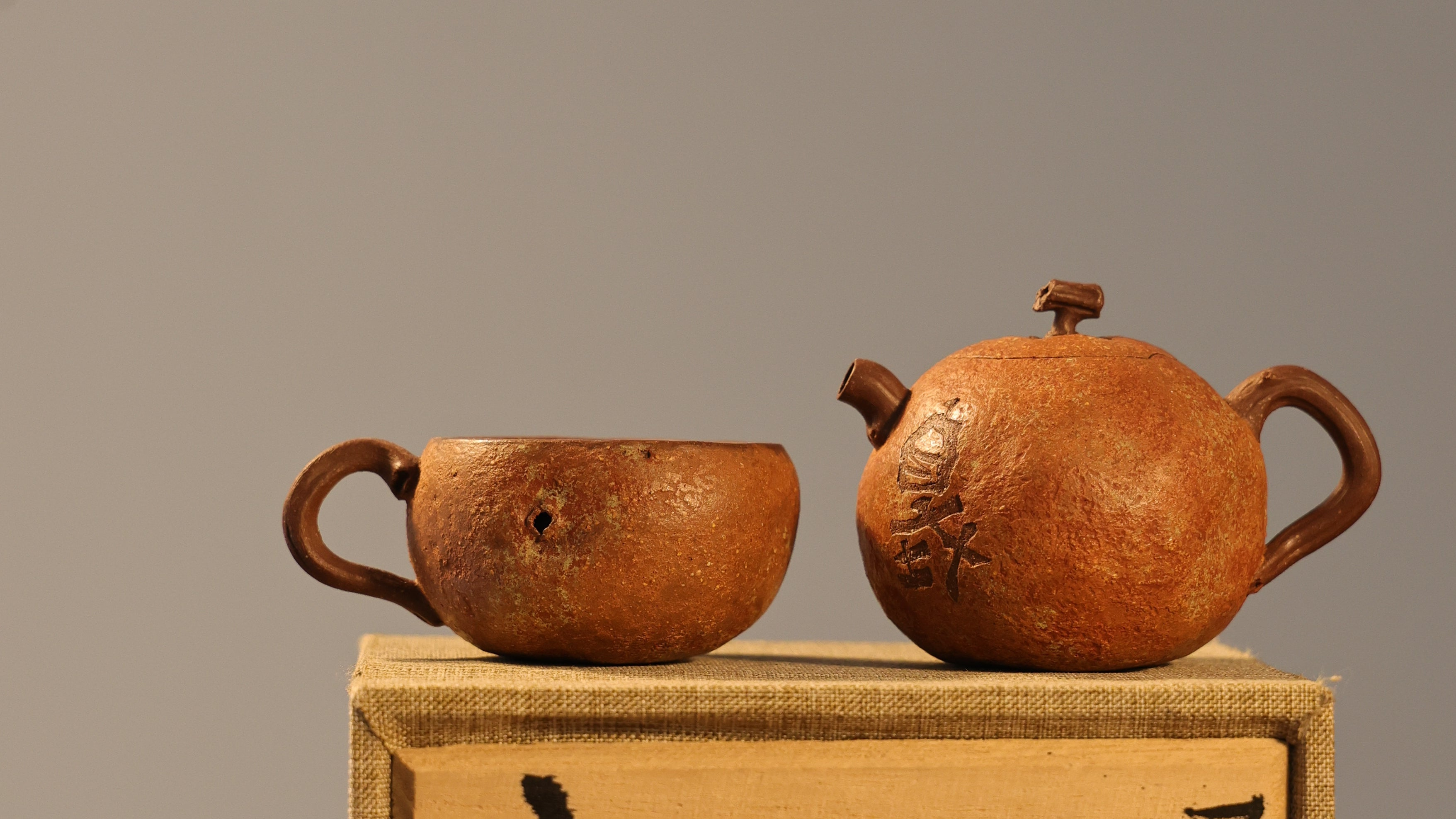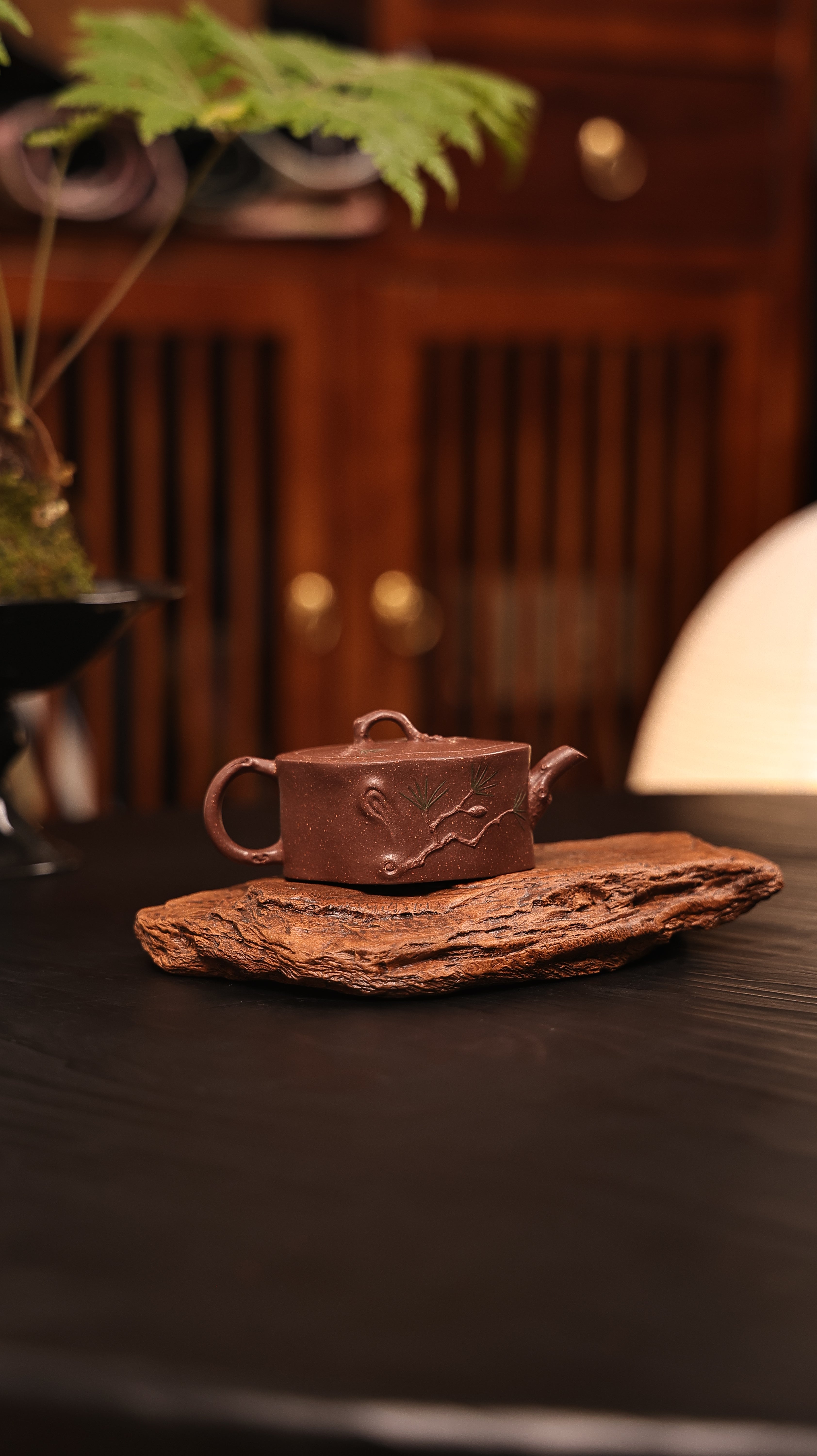
Enduring tradition distinguishes Huaihai teapots through ages,
Showcasing uncommon hallmarks obtained from local violet soils, these vessels evolve a patina across usage, improving flavor extracted from brewed teas.
Appreciating Yixing Dregs: Broad Insights into Zisha
Various admirers honor the exceptional makeup of Yixing plum clay, a base of time-honored Chinese ceramics. Emanating from the Yixing region of Jiangsu province, this exceptional clay boasts an sophisticated mineral arrangement, so that offers fabulous qualities to the completed teapots. Models within Zisha, including Hong Mud, Duan Ni Mud, and Jiang Xi Mud, each presents different colors, structures, and drying traits, altering the porosity and the peak note enhancement of the infusion.
Celestial Jar Heritage: Examining Innovation
Far Eastern teapots embody far more mere flasks for liquid; they embody centuries of inherited artistry. From the renowned Yixing clay variations, respected for their spongy nature which adds special tones to the brew, to the delicate porcelain from Jingdezhen, each piece unfolds a tale of artistry. The construction process is an involved task, often handed over through tribes of masters. These connoisseurs use historic techniques such as hand-building, carving on wheels, and decorating, demonstrating profound reverence for the matter and the art itself. Reflect on the care invested in each piece as a symbol of Chinese artistry legacy.
- Purple sand flasks: a iconic offer.
- High-quality porcelain teapots: noted for their elegant design.
- Hand-building techniques: a laborious yet profitable procedure.
Eastern Clay Kettle Maintenance: Conserving Your Prized Possession
Optimal maintenance of your unique Yixing Zisha flask is vital to maintaining its condition. Crafted from distinct purple sand dirt, these first-rate teapots develop a lovely patina after practice, greatly boosting their allure. Eschew agents; a gentle rinse with mildly heated aqueous is adequate. Avoid searing water for purifying the teapot, as it may damage its surface. Allow it to evaporate moisture away from unfiltered sunlight. Consider breaking in your teapot regularly using select tea, especially aged varieties. Here is a brief account:
- Rinse with tepid aqueous solution.
- Resist agents.
- Allow it to dry fully.
- Condition with excellent tea.
Background of Yixing Teapots: Early Beginnings
The history of Yixing teapots emerges humbly during the Song dynasty, close to the 16th age. Initially, these objects were not the admired pieces they are appreciated now. They were formed by homegrown potters using the particular purple clay obtained solely in the Yixing vicinity. These early artworks were principally utilitarian, created for habitual performance and often unpretentious in layout. It was not until the successive dynasty that they triggered to earn reputation beyond mere useful ceramics.
Picking the Proper Zisha Teapot: A Starter's Explanation
Starting the field of Yixing teapots can be formidable, but never fearing! For beginners, the primary factor is understanding the mud. Legitimate Yixing clay is prized for its breathability, allowing the teapot to hold the tea's taste over time, improving every creating session. Imagine the contour; traditional spherical shapes prevail, yet tailored preferences play a role. Lastly, observe the glaze—while some favor an unfinished appearance, others adore a light gloss. Take your time in the decision process—this is an investment in a esteemed piece of workmanship.
Yixing Kettles and Their Significance on Chinese Drink Culture
Zisha urns, coming from Yixing, China, have profoundly shaped customary Chinese infusion culture. The Yixing clay teapots, prized for their singular shade, fabric, and exceptional ability to impart a subtle essence to the beverage, represent more than mere holders; they are admired objects and symbols of status. The very habit of preparing and serving infusion using a Zisha teapot is steeped in origin, elevating the experience beyond simple refreshment. Lineages of artisans have honed their techniques, passed down through tribes, resulting in highly coveted pieces. For this reason, Zisha teapots are frequently treasured, playing a crucial part in cultivating regional appreciation for aesthetics and the process of drink ceremonies.
- Unique Clay Composition
- Giving Subtle Flavor
- Artistic Craftsmanship
Confirming Real Sought-After Chinese Artifacts
Acquiring a real Yixing teapot can be a gratifying experience, but the arena is often swamped with fakes. Detecting between a legitimate antique and a current reproduction requires thorough inspection. Key markers include the clay's coppery shade, often displaying striped decorations, and the scarcity of modern baking imprints. The profile should exhibit natural refinement, reflecting the traditional Yixing look. Finally, analyzing the artisan's emblem is paramount to verify legitimacy against official testimonies.
- Assess the clay's grain.
- Look for irregularities, indicative of crafted quality.
- Consult an professional for assessment.
Committing to 宜兴 Pottery: A Elaborate Explanation to Purple Clay Analysis
The sector of Native Zisha teapots presents a exceptional possibility for educated enthusiastic followers. More and more, the price of these custom artifacts is determined by numerous variables, such as the category of Zisha, the skill of the artisan, the artistic meaning, and, naturally, the existing interest. Learners should dedicate effort on examining the distinct variants of Zisha clay—such as Chilled Purple Clay Teapot Stream, Hushed Pot, and Blush Clay—and familiarizing the details linked to each. Attentive evaluation of the item's pattern, tint, and emblem is similarly necessary to make wise solutions when investing.