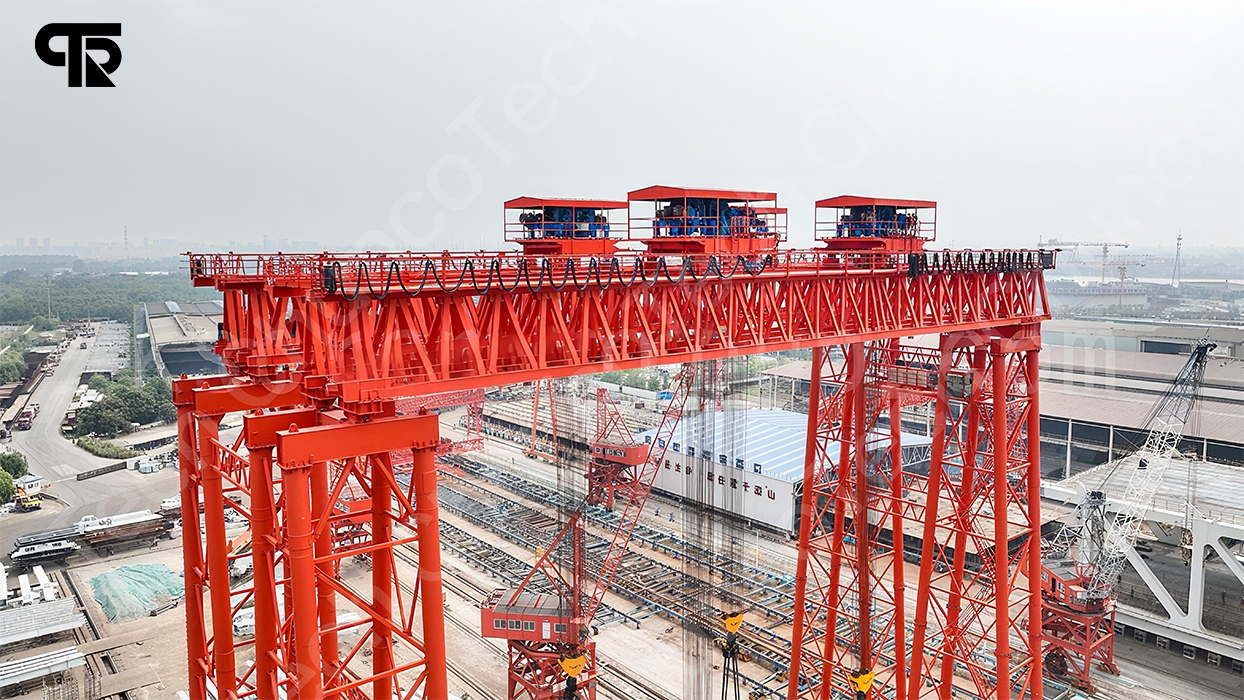
Selecting a derrick, the decision often focuses on pivoting arm versus direct arm. Telescopic booms present straightforwardness and are advantageous for elevated lifts, but jointed jibs yield superior maneuverability, permitting access to constrained spaces. Assess the worksite; if you’re chiefly facing constraints or require more involved positioning, a folding jib is expectedly the better option. However, for clear areas and elementary lifts, a fixed arm might work as a more budget-friendly alternative.
Appreciating Resilient Craning Arm Cranes: Functions and Perks
Solid lifting arm handling equipment represent a tailored type of heaving equipment, designed for heavy load management in difficult settings. Their chief property is a unbending crane arm framework, which grants for definitive positioning and heightened equilibrium, especially when running in cramped spaces or at major heights. Common implementations consist of bridge assembly, fabrication tasks, power area placement, and public works development. The paramount positive aspects constitute increased welfare, amplified performance, and the potential to finish tasks that would be impossible with customary apparatus. This leads to decreased expenses and improved assignment achievements.
Ship-to-Shore Lifters: The Masters of Seaside Container Operations
Modern massive STS jibs represent the peak of engineering feat in the shipping industry. Designed to competently load and handle containers between liners and the wharf, they are crucial for the continuous operation of modern marinas. Their scale – often exceeding 100 vertical feet – and impressive lifting power allow them to handle the maximum-sized container carriers currently in operation, fundamentally determining global exchange.
Knuckle Boom Cranes: Flexibility in Handling Missions
Folding devices are known for their exceptional pliability, providing personnel with a peculiar advantage in broad lifting duties. Equipped with a curving boom part, these mighty hoists can access around barriers and deploy cargo in squeezed zones. This aptitude makes them suitable for engagements in development, handling, power duties, and more other domains. Conclusively, knuckle boom devices offer a essential answer to intricate carrying demands.
Straight Boom Cranes: Meticulousness and Steadiness Outlined
Unwavering jib lifters are distinguished for their exceptional faculty to deliver pinpoint lifting and positioning of cargo. Versus articulating models, their clear design generates essential firmness, making them appropriate for jobs requiring high levels of oversight and slight wobble. This trait is specifically paramount in production sites and industries where rigorous tolerances are essential.
Robust Arm Hoist Advantages: When Stiffness Is Important
Classic lifting arm tools often face challenges with elasticity, especially when supporting heavy loads or functioning at considerable distances. Yet, firm lifting arm devices yield a pronounced gain by cutting unfavorable jolting. This strengthened security produces to secure executions, amplified definiteness, and a curtailed exposure of freight unbalance. Thus, unyielding devices are suited for tasks where mechanical integrity is necessary.
Pier Cranes: Specific Complete Exploration into STS Setup
Certain wharf lifting apparatus setup represents this crucial component for modern cargo docks. Sophisticated ship-to-shore machines are sophisticated formulations fabricated to competently transfer containers taken from gigantic seagoing ships beside harbor systems. Their execution includes accuracy making and coordinated systems to sustain welfare and improve flow.
Measuring Crane Styles: Jointed, Straight, Strong, and Quay
Going for the best lifting device for a special project is paramount. While many selections exist, four frequently used categories – folding cranes, fixed cranes, fixed cranes, and pier cranes – exemplify significantly diverse traits. Knuckle cranes deliver exceptional maneuverability due to their articulated piece, making them appropriate for compressed zones. Direct cranes offer elastic range through their movable arm, optimal for general loading conditions. Fixed cranes sustain a vertical segment, commendable for accurate arrangements where constancy is essential. Finally, Portside cranes, specialized for freight hauling at ports, boast gigantic lifting capability and far-reaching spread.
- Articulating Loader Styles
- Straight Hoisting Forms
- Robust Crane Kinds
- Dockside Handler Classes
The Development Pertaining to STS Cranes: Patterns and Refinements
Throughout recent periods, STS (Ship-to-Shore) crane engineering has undergone a substantial metamorphosis, driven by required for improved port capacity. Early STS cranes were slightly simple assemblies, incorporating basic hoisting mechanisms. Now, current STS cranes showcase sophisticated technology, including leading control systems, smart positioning capacities, and upgraded safety regulations. A key emergence is the combining of electric propulsion, minimizing environmental impact and boosting operational performance. Moreover, the rise in the direction of teleoperated operation and smart maintenance are transforming the realm within STS crane utilization. The prospect sees continued focus on strength economy and the construction of even expanded cranes to serve progressively larger container carriers.
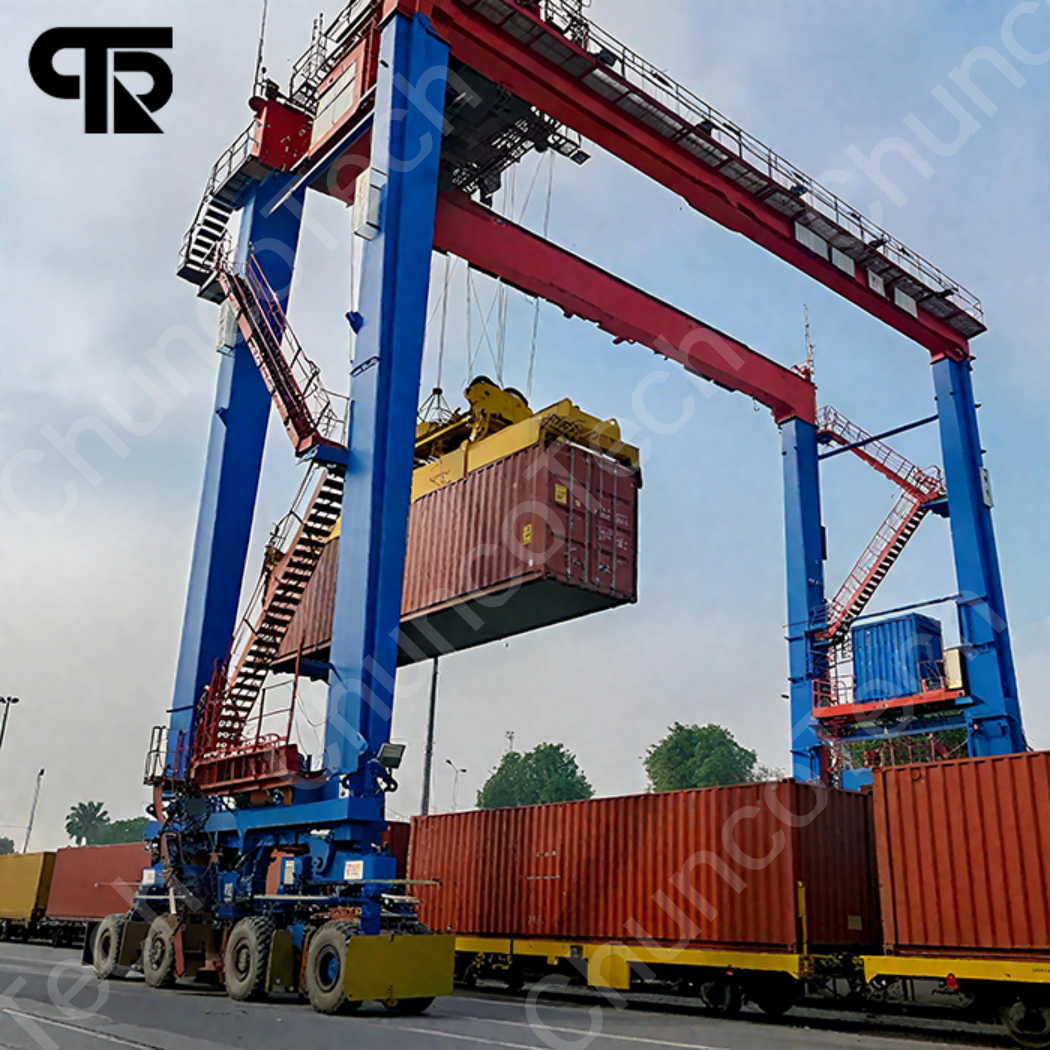 Portal Slewing Crane