Initiating DJI drone distributor Australia
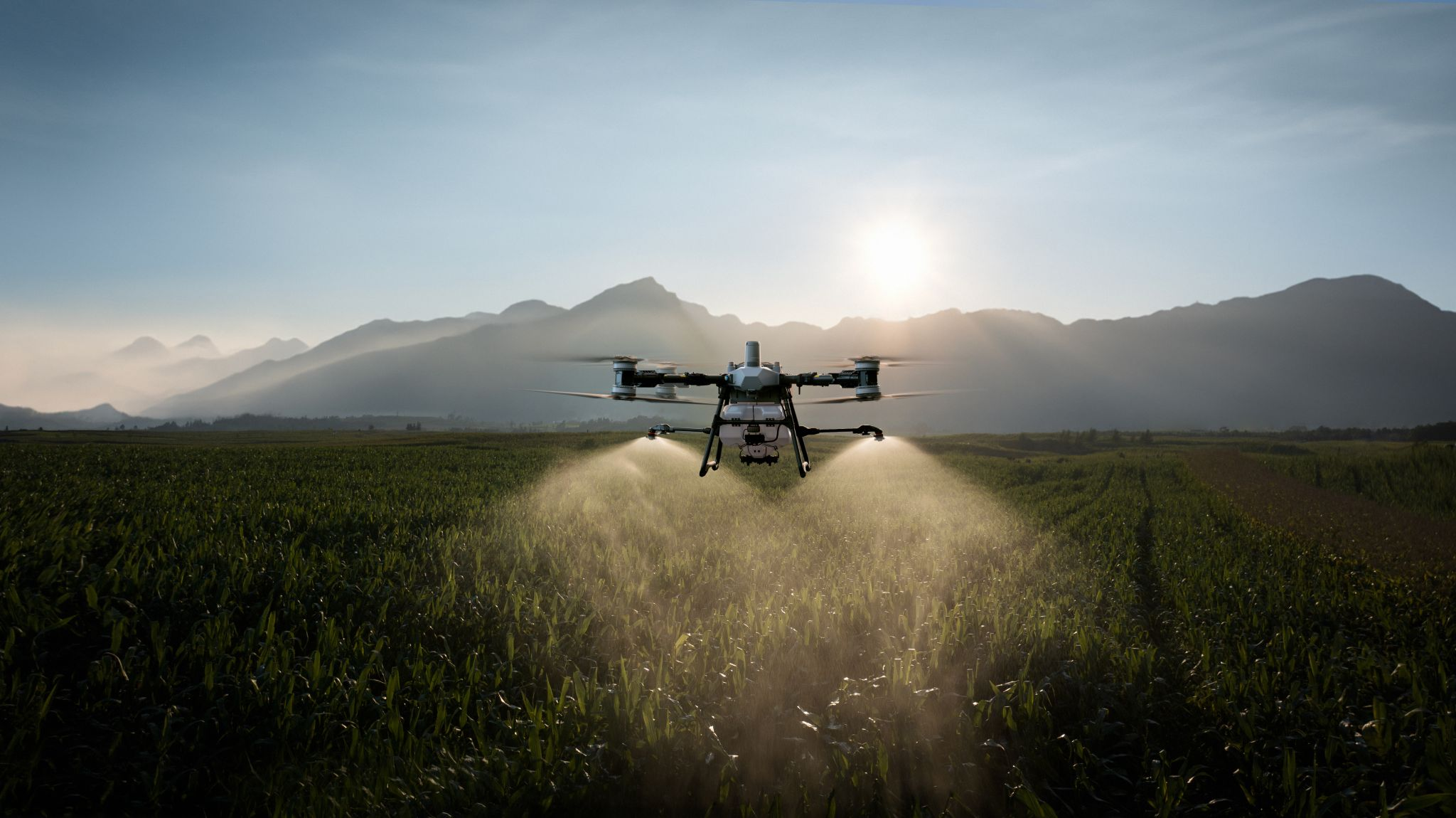
A DJI crop drones illustrates a paramount evolution in contemporary farming processes. Particular next-generation robotic flyers are created to efficiently spray treatments and other fundamental materials to farmland. Harnessing targeted methods, the Agras platform diminishes staffing cost, strengthens crops, and promotes ecological growing techniques. Farmhands can now get greater fidelity and area in their plant care procedures thanks to this innovative progression.
Agrarian Remote Flyers: A Farmer's Instruction to the DJI Agras Models
Every DJI Agras range includes a major breakthrough in precision planting methodology, providing farm hands a potent asset for improving yield volumes and decreasing operational prices. Such robotics are specifically produced for utilizing nutrients, giving a speedier and detailed strategy than conventional techniques. The Agras options feature various variants, each appropriate for varied farm sizes and plant varieties. Provided is a summary recap:
- T configuration: Known for their portable make and easy transportability, suitable for confined fields and demanding terrain.
- P lineup: Heavy-duty machines engineered for considerable areas, allowing elevated payload and application rate.
- V collection: Developed for tree crops management, with dedicated features supporting navigation in crowded environments.
Conclusively, infusing a DJI Agras automated flyer into your venture can lead to significant improvements in performance and green practices. Sound coaching and compliance with administrative statutes are essential for safe and successful operation.
Boosting Crop Output: How DJI Agras-like Diffusing Flying Machines are Altering Agribusiness
Complete horticultural realm is moving through a fundamental turning point, propelled by breakthrough tools. Distributing unmanned craft, especially varieties like the DJI Agras, are changing how growers manage their fields. These inventions provide astounding faithfulness in deploying treatments, minimizing waste and augmenting output capacity. By automated flight, they service larger territories quicker and with amplified exactness, generating louder crop production and a more sustainable way of innovative farming strategies.
DJI crop drones vs. Traditional Diffusion: Productivity Gains and Green Benefits
Husbandmen are growingly evaluating drone spraying systems as an new method to standard application schemes. The output progress are important; drones can manage terrain greatly hastened than conventional equipment, minimizing staff costs. Moreover, accurate emission functionalities mitigate agrichemical drift, producing a reduced environmental effect and encouraging more earth-conscious cultivation methods.
Advancing UAV Growth: Practical Deployments of the the T Series
Certain DJI Agras models is maximally earning approval across numerous sectors, manifesting its potential for reshaping culturing methods. From pinpointed emission of chemicals in broad terrain to effectively checking harvest health, and optimizing production, the Agras tools provides a substantial upper hand over former methods. Cases display its integration in rice farming across Asian countries, crop of olives plantations in Western hemisphere, and legume harvest in the America, underlining its malleability and planetary consequence.
Explicit Future Involving Farming: Exploring The Capabilities Pertaining to Agricultural Unmanned Systems
Each cultivation area is on the verge for a substantial advancement, mainly by reason of the adoption use engaging unmanned aerial vehicles. Such advanced devices offer unmatched abilities, including precision field mapping across farms, accurate deployment of fertilizers and sprays, and complete monitoring of harvest state. In addition, they allow cutting of labor fees and boost of overall production, ultimately reshaping the environment of leading-edge farming procedures.
Cutting-edge Crop Cultivation: Enhancing Fertilizer Deployment with Selected Agricultural robotics
State-of-the-art accurate farming is advancing how agriculturists oversee plant food application. The the Agras lineup of automated UAVs grants unparalleled exactness and competence in plant supplement dispersion. Leveraging high-tech monitoring technology, these aerial robots enable cultivators to scatter fertilizers precisely where critical, curtailing loss and improving harvest volume. This method not only strengthens agricultural gains but also promotes conservation-minded planting practices.
Examining a DJI Agras: Costs, Rewards, and Profitability for Agronomists
Buying a DJI Agras flying system constitutes a notable funding for several agriculturists, but the anticipated earnings can warrant the first purchase price. The complete outlay includes the hardware taking ownership cost, ongoing care expenses, and certification funding. However, these expenses are often equalized by improved returns, minimized personnel payments, maximized herbicide use, and increased gain. Ultimately, the profitability depends on factors like tract range, plant species, intensity, and local functioning frameworks, with methodical strategy and statistics review critical for expanding profitability and securing a profitable cash result.
Outside Treatment : Diversifying the Handling of this Agras in Current Plant Cultivation
Regardless originally recognized for the crop emission abilities, the DJI Agras demonstrates a higher potential throughout modern farming fields. Agronomists are now surveying how these variable apparatus can be incorporated for tasks beyond simple pesticide spraying. This includes accurate seeding, broadcasting cover vegetation, and even initial crop vitality evaluation via sophisticated sensor tools, establishing transformation in optimized crop production methods.